

Have you ever brought home a beautiful houseplant, only to watch it slowly droop, yellow, or lose leaves a few weeks later? Keeping indoor plants healthy year-round can feel tricky, especially when seasons, light, and temperature constantly change. Some plants thrive with very little attention, while others need more careful care and consistency. The good news is that healthy houseplants usually come down to a few simple habits. With the right environment and routine, indoor greenery can stay vibrant through every season.
Choose Plants That Match Your Space
One of the biggest reasons houseplants struggle is that they’re placed in the wrong environment. Every plant has different light and temperature preferences, so choosing greenery that suits your home makes care much easier. A sunny apartment may work well for succulents, while lower-light rooms are often better for pothos or snake plants.
Pay attention to window direction and daily sunlight. South-facing windows usually provide the brightest light, while north-facing spaces tend to be dimmer. East-facing windows offer softer morning light, and west-facing windows create stronger afternoon sun. Matching plants to available light helps prevent weak growth, browning leaves, and unnecessary stress.
Learn the Right Watering Routine
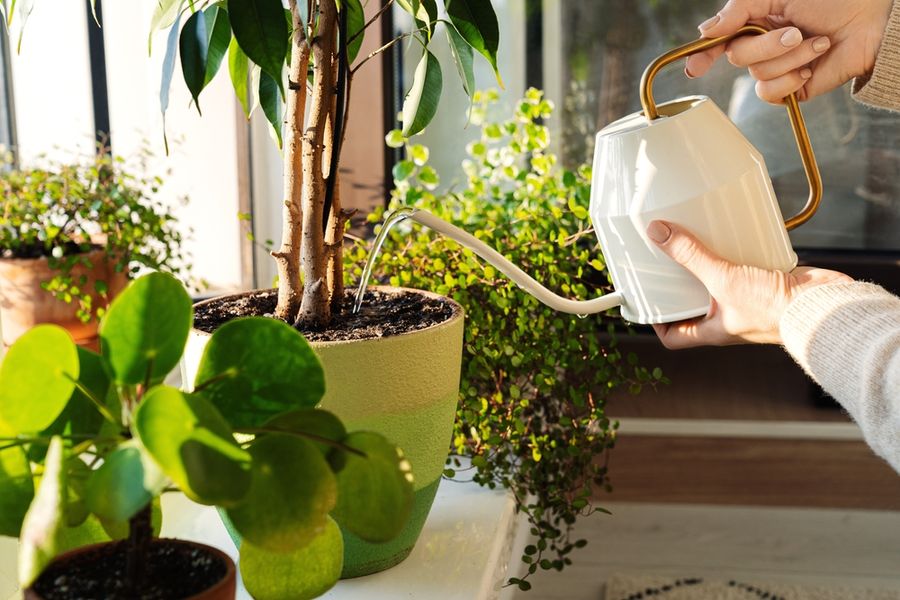
Overwatering is one of the most common mistakes plant owners make. Many people water on a strict schedule without checking whether the soil actually needs moisture. Too much water can lead to root rot, fungus, and drooping leaves, while underwatering can leave plants dry and brittle.
Instead of following a rigid routine, check the soil with your finger before watering. Some plants like to dry out between waterings, while tropical varieties prefer lightly moist soil. Seasonal changes also matter because indoor heating during winter can dry plants out faster. Setting reminders to check your plants weekly can help maintain a consistent care routine without overdoing it.
Give Plants Enough Humidity and Warmth
Many popular houseplants come from tropical environments, so dry indoor air can make them unhappy. Heating systems during colder months often remove moisture from the air, causing crispy edges, curling leaves, and dull growth. Plants may survive in dry air, but they usually look healthier with added humidity.
Bathrooms and kitchens often provide natural moisture from steam, making them great spots for humidity-loving plants. Grouping plants together can also help create a slightly more humid environment. If your home feels especially dry, a small humidifier near your plants can make a noticeable difference during the winter months.
Feed and Clean Your Plants Regularly
Indoor plants rely on their soil for nutrients, but over time, those nutrients become depleted. Feeding plants during active growing seasons like spring and summer helps support healthy growth and stronger leaves. A balanced fertilizer used according to directions is often enough for the most common houseplants.
Cleaning leaves is another overlooked part of plant care. Dust can collect on leaves and block sunlight, slowing down photosynthesis. Gently wiping leaves with a damp cloth every month or two keeps plants looking vibrant and helps them absorb more light. Regular cleaning also gives you a chance to inspect for pests or damaged growth.
Pay Attention to Seasonal Changes
Plants react differently throughout the year, so routines may need adjusting from season to season. During winter, many houseplants grow more slowly and require less water and fertilizer. Shorter daylight hours can also affect how much energy they receive indoors.
Summer often brings faster growth, which may require more frequent watering and feeding. Sudden temperature changes can also stress plants, especially if they’re placed near cold drafts, heaters, or air vents. Watching how your plants respond throughout the year helps you adjust care before small problems become bigger issues.
Don’t Panic Over Every Droopy Leaf
Even healthy plants occasionally lose leaves or look slightly unhappy after moving to a new environment. Changes in lighting, humidity, or temperature can temporarily shock indoor plants while they adjust. A few yellow leaves don’t always mean your plant is dying.
Patience is an important part of plant care. Avoid reacting too quickly with extra water or fertilizer when you notice changes. Instead, observe the plant carefully and make gradual adjustments if needed. Learning how plants communicate through their leaves, color, and growth patterns can help you build confidence as a plant owner.
Creating a Home Where Plants Can Thrive
Healthy houseplants usually come down to consistency rather than perfection. Good lighting, proper watering, stable temperatures, and occasional feeding all work together to support strong growth. Once you understand what your plants need, caring for them starts to feel much more natural and rewarding.
Indoor gardening is often a learning experience filled with trial and error. Some plants may thrive immediately, while others take time to adjust. Paying attention to their environment and responding gradually can make a huge difference in how they grow throughout the year.
Over time, caring for houseplants can feel calming and enjoyable rather than stressful. A thriving collection adds warmth, color, and life to your home while creating a stronger connection to nature indoors. With a little patience and observation, keeping houseplants alive year-round becomes far more manageable and satisfying.