

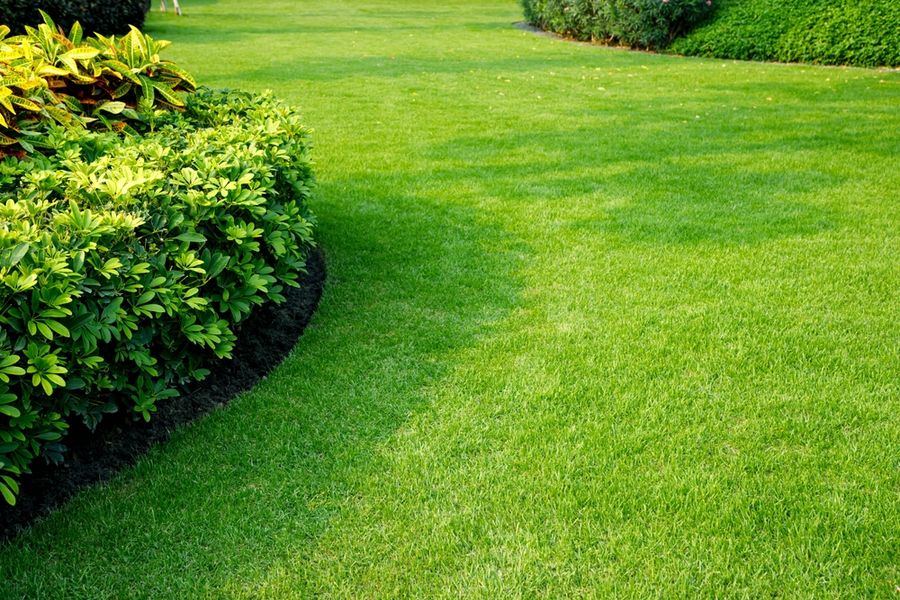
A lush green lawn often looks effortless, like it somehow thrives without much attention. Yet many yards struggle to stay vibrant, fading to dull green or brown without constant watering. The difference rarely comes down to luck alone. Healthy grass relies on deeper systems working below the surface, along with smart care habits that reduce stress. When soil, roots, and maintenance all work together, grass can hold moisture longer and maintain a rich color even during dry stretches.
Deep Roots Make All the Difference
Lawns that stay green with less watering usually have stronger, deeper root systems. Roots that grow several inches into the soil can access moisture that shallow roots can’t reach. That means grass doesn’t rely on frequent surface watering to stay hydrated.
Deep roots develop when watering is less frequent but more thorough. Light, daily watering keeps roots near the surface, where they dry out quickly. Allowing water to soak deeper into the soil encourages roots to follow. Over time, grass becomes more resilient and better able to handle dry conditions without losing its color or strength.
Healthy Soil Holds Moisture Longer
Soil quality plays a huge role in how often a lawn needs water. Loose, well-balanced soil can hold moisture while still allowing air and nutrients to reach the roots. Poor soil, especially when compacted, prevents water from soaking in properly.
Compacted soil limits airflow and traps gases, which weakens grass and reduces its ability to absorb water. When soil is improved through aeration or organic matter, it becomes easier for roots to spread and store moisture. Healthy soil acts like a reservoir, keeping grass hydrated longer between watering sessions.
The Right Grass Type Uses Water Wisely
Not all grass is created equal when it comes to water needs. Some varieties are naturally drought-tolerant and can stay green with less frequent watering. Others require more consistent moisture to maintain their color and health.
Warm-season grasses, for example, often handle heat better and use water more efficiently. Choosing a grass type suited to the local climate can make a noticeable difference. When grass matches its environment, it doesn’t struggle as much, which helps maintain a greener appearance with less effort over time.
Proper Mowing Protects Moisture
Mowing habits can directly impact how well a lawn retains water. Cutting grass too short removes the portion that produces energy and shades the soil. That leaves roots exposed to heat, causing moisture to evaporate faster.
Keeping grass slightly taller allows blades to protect the soil and maintain hydration. Taller grass also supports stronger root systems, which improves overall resilience. Regular mowing with sharp blades prevents stress and keeps the lawn healthy enough to maintain its color without needing constant watering.
Balanced Watering Beats Constant Sprinkling
It might seem like frequent watering would keep the grass greener, but overwatering can create problems. Shallow watering encourages weak roots and can even lead to disease or fungal growth.
Lawns benefit more from consistent, deep watering rather than daily sprinkling. Allowing soil to dry slightly between watering sessions helps strengthen roots and improve water efficiency. When grass receives the right amount of moisture at the right depth, it can stay green longer without needing constant attention.
Fewer Problems Mean Healthier Color
A lawn that stays green often has fewer underlying issues. Pests, weeds, and diseases all compete with grass for nutrients and water. When those problems are present, grass struggles to stay healthy even with regular watering.
Weeds can take over weak areas, while insects may damage roots and limit water absorption. Soil imbalances, such as poor nutrition or incorrect pH, can also reduce the lawn’s ability to stay vibrant. Addressing those issues creates a stronger foundation, allowing grass to thrive with less frequent watering.
A Greener Lawn Without the Extra Effort
A consistently green lawn isn’t just about how often it’s watered. It’s the result of strong roots, healthy soil, and smart care habits working together. When the foundation is right, grass holds onto moisture and handles stress more effectively.
Small changes in watering, mowing, and soil care can lead to noticeable improvements over time. A lawn that’s supported from below won’t need constant attention to look its best. With the right balance, a yard can stay vibrant and healthy while using less water and effort overall.