

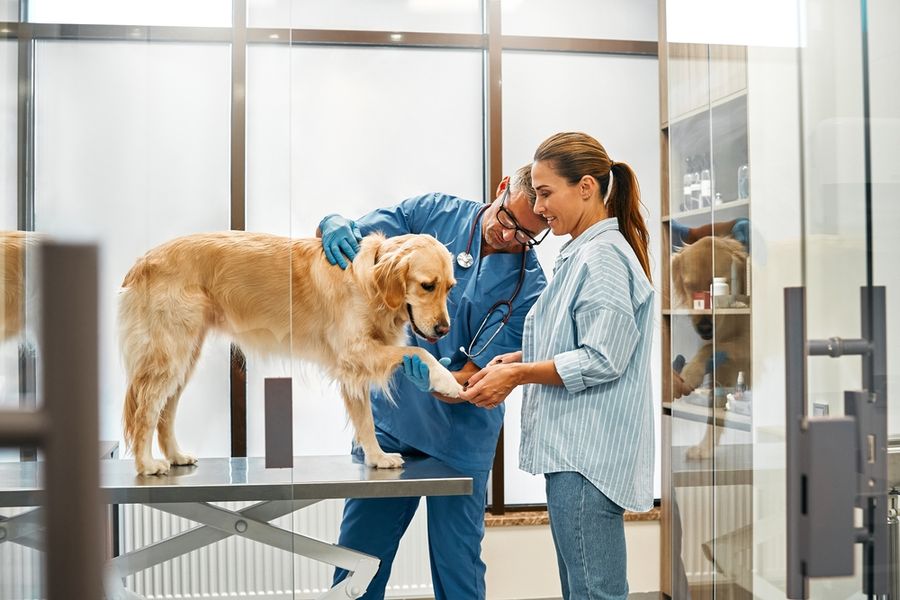
Vet visits can feel overwhelming for many pets, even before they step through the door. New smells, unfamiliar people, strange sounds, and handling can all trigger anxiety. What might seem like a routine appointment to you can feel unpredictable and stressful to your pet. With a little preparation and a thoughtful approach, that experience can shift into something much calmer. Small changes before and during the visit can help your pet feel safer, more comfortable, and less fearful.
Help Your Pet Feel Comfortable With Carriers and Travel
For many pets, stress begins at home when the carrier comes out or the leash signals a trip. If those moments only ever lead to the vet, your pet quickly forms a negative association. That anticipation alone can cause anxiety before the visit even begins.
Keeping the carrier out as part of your home environment can help change that reaction. Adding a soft blanket, a familiar scent, or a favorite toy makes it feel like a safe resting place instead of something to fear. Taking short, positive car rides that end somewhere enjoyable can also help your pet associate travel with calm, safe experiences rather than stress.
Practice Gentle Handling at Home
Veterinary exams involve touching sensitive areas like paws, ears, and mouths, which can feel invasive to a pet that isn’t used to it. When that kind of handling only happens during appointments, it can feel sudden and uncomfortable.
Practicing gentle handling at home helps build familiarity. Lightly touching your pet’s paws, lifting their ears, or briefly checking their mouth while offering treats can create positive associations. Over time, your pet learns that being handled isn’t something to resist. That familiarity can make exams feel less threatening and easier for them to tolerate.
Use Positive Reinforcement to Build Better Associations
Pets learn quickly through positive experiences. If every vet visit feels stressful, they’ll expect that pattern to continue. Adding positive reinforcement can help change that expectation over time.
Bringing favorite treats, toys, or even a familiar blanket can offer comfort and distraction during the visit. Rewarding calm behavior, even in small moments, helps your pet connect the environment with something positive. Consistent reinforcement builds trust and helps your pet feel more secure, even in unfamiliar situations.
Keep the Environment Calm and Predictable
Busy waiting rooms can overwhelm pets with noise, movement, and unfamiliar animals. That overstimulation can raise stress levels before the appointment even begins, making everything feel more intense.
Finding ways to reduce that exposure can help your pet stay calmer. Waiting outside or in your car until your appointment time can limit sensory overload. Speaking in a calm voice, moving slowly, and maintaining a relaxed presence can also influence how your pet responds. Pets often mirror your energy, so a steady approach can make a noticeable difference.
Introduce “Happy Visits” to Build Confidence
Not every visit to the clinic needs to involve exams or procedures. Stopping by just to walk in, receive treats, and leave can help your pet form positive memories of the space. Those low-pressure experiences can reshape how they feel about future visits.
Gradually increasing exposure, from the parking lot to the waiting area and eventually inside, allows your pet to adjust at their own pace. When the clinic becomes a familiar place instead of a stressful one, anxiety often decreases. That familiarity builds confidence and helps make actual appointments smoother.
Work With Your Veterinary Team for Extra Support
Veterinary teams understand that many pets feel anxious and often use techniques to reduce stress during visits. Choosing a clinic that focuses on low-stress handling can make a big difference in your pet’s experience.
If your pet struggles significantly, discussing options with your veterinarian can help. Scheduling quieter appointment times or using calming strategies can reduce anxiety. In some cases, pre-visit medications may be recommended to help your pet stay relaxed. Working together creates a more supportive environment for your pet’s care.
Creating a Calmer Experience for Every Visit
Helping your pet feel less stressed at the vet takes time, patience, and consistency. Small steps, like practicing handling, building positive associations, and reducing environmental stress, all contribute to a better experience. Each visit becomes an opportunity to build trust rather than reinforce fear.
Over time, those efforts can transform how your pet reacts to veterinary care. What once caused anxiety can feel more manageable and even routine. A calmer pet allows for better exams, easier handling, and a more positive experience overall. With the right approach, vet visits can shift from something your pet dreads into something they handle with far more ease and confidence.