

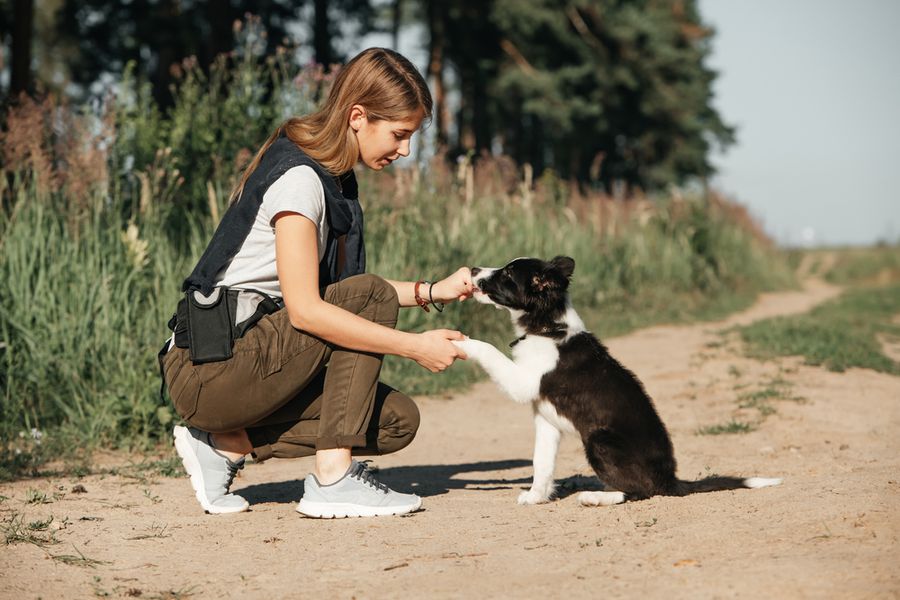
Bringing home a puppy is exciting, but it can also feel overwhelming when you realize how much they need to learn. From basic behavior to everyday routines, everything is new to them. Training doesn’t have to feel complicated or stressful, though. Puppies learn best through simple, consistent interactions that fit into daily life. With patience and the right approach, teaching good habits can feel natural, turning those early challenges into moments that build trust and understanding.
Start Training From Day One
Training doesn’t begin weeks later. It starts the moment your puppy enters your home. Every interaction teaches them something, whether it’s where to go, how to behave, or what’s expected. Early guidance helps shape habits before confusion sets in.
Keeping things simple at first can make learning easier for both of you. Focus on clear rules and gentle direction from the start. Puppies are constantly observing and adapting, so consistent behavior from you helps them understand what’s right. Starting early creates a strong foundation that makes future training smoother.
Use Positive Reinforcement to Encourage Good Behavior
Puppies respond best to encouragement rather than punishment. Rewarding good behavior with treats, praise, or toys helps them understand what actions you want to see more often. That positive association makes learning feel enjoyable.
Over time, rewards can shift from treats to simple praise or attention. The key is timing. Rewarding your puppy right when they do something correctly helps them connect the action with the outcome. Clear communication makes training more effective and keeps your puppy engaged in the process.
Keep Training Sessions Short and Consistent
Puppies have short attention spans, so long training sessions can quickly lead to frustration. Short, focused sessions work much better and help your puppy stay interested. Even a few minutes at a time can make a difference.
Repeating those short sessions throughout the day helps reinforce learning without overwhelming your puppy. Consistency matters more than duration. When training happens regularly in small doses, your puppy has more opportunities to practice and remember what they’ve learned.
Focus on Routine and Structure
Puppies thrive on routine because it helps them understand what to expect. Regular feeding times, bathroom breaks, play sessions, and rest periods create a predictable environment that supports learning.
A consistent schedule can also help with challenges like potty training. Taking your puppy out at the same times each day increases the chances of success. When routines are clear, your puppy feels more secure and learns faster, making daily life easier for both of you.
Teach Life Skills Alongside Basic Commands
Basic commands like sit or come are helpful, but everyday life skills are just as important. Learning how to behave calmly, interact with people, and feel comfortable in different environments can shape your puppy’s long-term behavior.
Skills like socialization, leash comfort, and responding to their name build confidence and reduce anxiety. Focusing on those real-life situations helps your puppy adapt to the world around them, not just respond to commands during training sessions.
Be Patient and Set Your Puppy Up for Success
Training takes time, and mistakes are part of the process. Puppies aren’t being difficult on purpose. They’re learning how to navigate a new world. Patience helps create a positive environment where your puppy feels safe to learn.
Managing your puppy’s environment can also prevent problems before they start. Keeping tempting items out of reach and guiding them toward the right behavior makes learning easier. When you set your puppy up for success, progress feels more natural and less frustrating.
Building a Well-Behaved Dog Starts Small
Training a puppy doesn’t require complicated methods or strict routines. It’s built on simple habits, consistency, and positive interactions that happen every day. Each small lesson adds up over time, shaping how your puppy behaves and responds to the world around them.
With patience and encouragement, your puppy grows into a well-behaved companion who understands what’s expected. The early effort you put in creates a stronger bond and a smoother relationship, turning those first training steps into lasting results. Over time, those small wins, like a successful potty break or responding to their name, build confidence for both you and your puppy. As trust grows, training starts to feel less like a task and more like a natural part of your routine. That steady progress leads to a dog who feels secure, listens well, and fits comfortably into your daily life, making all the early effort truly worthwhile.