

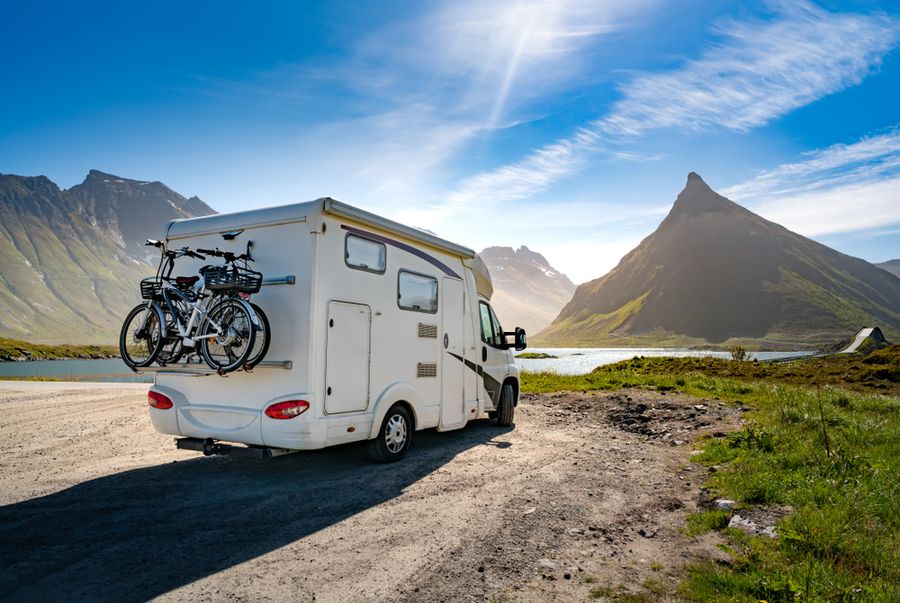
Trying RV travel for the first time can feel like stepping into a whole new way of exploring. The freedom of the open road, having everything with you, and waking up in new places sounds exciting, but it also comes with a learning curve. Small oversights can quickly turn into frustrating moments if you’re not prepared. Many first-time RV travelers make similar mistakes, not because they’re careless, but because there’s simply more to think about than expected.
Not Understanding the RV Before Hitting the Road
Jumping into an RV trip without fully understanding how everything works can lead to unnecessary stress. RVs have systems for water, electricity, and waste that are very different from what you’re used to at home. Without basic knowledge, even simple tasks can feel confusing.
Taking time to learn your specific RV model can make a big difference. Practicing things like operating hookups or using appliances before your trip can help you feel more confident. When you understand your setup, you’re less likely to feel overwhelmed and more able to enjoy the experience.
Failing to Plan Routes and Campground Stops
Driving an RV isn’t the same as driving a car. Roads that seem fine on a map might have tight turns, low bridges, or restrictions that make them difficult or unsafe for larger vehicles. Without proper planning, you can end up in stressful situations.
Campground planning is just as important. Arriving without a reservation can leave you searching for a place to stay after a long day. Mapping your route and booking campsites ahead of time helps avoid last-minute surprises and keeps your trip running smoothly.
Overpacking and Adding Too Much Weight
It’s tempting to bring everything you might need, especially when you have the space. Many first-time RV travelers overload their vehicle with food, supplies, and gear, thinking it will make the trip easier. In reality, it can create problems.
Extra weight can affect fuel efficiency, handling, and overall performance. It can also make packing and unpacking more complicated. Keeping things simple and bringing only what you truly need helps your RV run better and makes your setup feel more organized.
Not Knowing How to Handle Tanks and Hookups
One of the biggest surprises for new RV travelers is dealing with water and waste systems. Not understanding how to manage tanks or use dump stations can quickly turn into an uncomfortable situation.
Learning how to properly connect hoses, monitor tank levels, and handle waste safely is essential. Practicing ahead of time or watching tutorials can help you avoid mistakes. Being prepared in this area helps you feel more confident and prevents awkward or messy situations during your trip.
Skipping Safety Checks and Pre-Trip Routines
Forgetting to secure items or check equipment before driving can lead to costly or dangerous mistakes. Things like open cabinets, unsecured gear, or extended awnings can cause damage once you’re on the road.
Creating a simple checklist can help you stay organized. Walking around your RV before leaving ensures everything is in place and ready for travel. Taking a few extra minutes to double-check can prevent bigger issues and give you peace of mind as you start your journey.
Trying to Do Too Much Too Quickly
RV travel is meant to be a slower, more relaxed way to explore, but many first-time travelers try to pack too much into a short trip. Driving long distances, rushing setups, and constantly moving can lead to exhaustion.
Taking your time allows you to enjoy each stop and reduces stress. Slowing down also makes driving safer and more enjoyable. When you give yourself space to settle in and explore, the experience feels more rewarding and far less overwhelming.
Learning as You Go Makes the Journey Better
Mistakes are part of the learning process, especially with something as hands-on as RV travel. Each trip teaches you what works, what doesn’t, and what you can adjust next time.
With a little preparation and a willingness to learn, those early challenges quickly turn into confidence. RV travel offers a unique sense of freedom, and once you get past the initial learning curve, it becomes a much more enjoyable and relaxed way to explore new places.