

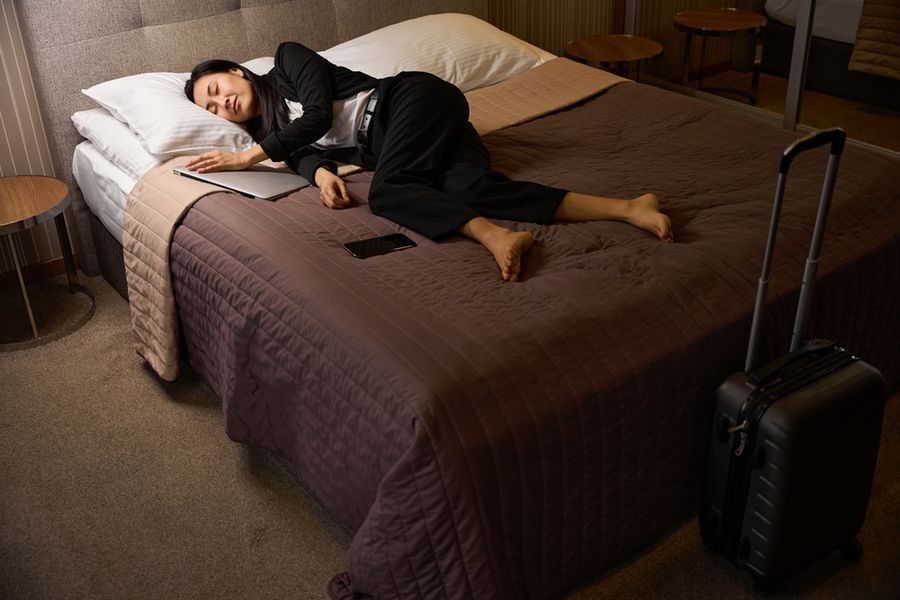
Long flights can leave some travelers exhausted, foggy, and wide awake at strange hours, while others seem perfectly fine the moment they land. Jet lag affects people differently, and some lucky travelers barely notice it at all. Sleep habits, travel routines, age, hydration, and even genetics can all play a role in how the body responds to crossing time zones. Although jet lag can feel unavoidable, understanding why it happens and how to reduce it can make traveling far more comfortable and enjoyable.
What Jet Lag Actually Does to the Body
Jet lag happens when your internal body clock struggles to match a new time zone after long-distance travel. The body follows a natural circadian rhythm that controls sleep, energy, digestion, and alertness. When you suddenly travel across several time zones, your brain and body still operate on your original schedule.
Common symptoms include fatigue, insomnia, irritability, headaches, brain fog, and stomach issues. Some people also feel unusually emotional or distracted for several days after arrival. Traveling east often feels harder because the body usually adapts more easily to staying awake later than falling asleep earlier. The farther you travel, the longer your body may need to fully adjust.
Why Some People Barely Feel Jet Lag
Some travelers naturally adapt to time changes more quickly than others. Genetics may partly explain why certain people adjust faster, since circadian rhythms vary from person to person. People who already maintain flexible sleep schedules may also handle time zone changes more comfortably than those with strict routines.
Frequent travelers often learn strategies that help reduce symptoms before they even board a plane. Children also tend to recover more quickly because their sleep cycles are usually more adaptable. Good sleepers, people who stay hydrated, and travelers who manage stress well may notice fewer symptoms compared to someone already running low on sleep before the trip begins.
Sleep Timing Makes a Huge Difference
One of the best ways to prevent jet lag is to begin adjusting your sleep schedule before travel. Gradually shifting bedtime closer to your destination’s local time can help your body adapt more smoothly. Even changing sleep and meal times by an hour or two ahead of a trip may help reduce the shock to your system.
Some experienced travelers also sleep strategically during flights. Overnight flights that allow several hours of rest can help travelers arrive feeling more aligned with local time. Others avoid sleeping entirely until nighttime at their destination so their body adjusts faster once they arrive.
Hydration and Food Can Affect Recovery
Airplane cabins are extremely dry, and dehydration can make jet lag symptoms feel much worse. Fatigue, headaches, dizziness, and sluggish thinking often intensify when the body lacks fluids. Drinking plenty of water before, during, and after the flight can help travelers recover more comfortably.
Heavy meals, alcohol, and excessive caffeine may also interfere with adjustment. Alcohol can disrupt sleep quality even if it makes you sleepy at first, while too much caffeine late in the day may keep your body clock confused. Eating lighter meals and following the meal schedule of your destination can help your body settle into a new routine more quickly.
Light Exposure Helps Reset Your Body Clock
Sunlight plays one of the biggest roles in regulating circadian rhythm. Getting outside during daylight hours after arrival helps signal to your brain that it’s time to adjust. Morning light is especially helpful when traveling east because it encourages the body to wake earlier.
Some travelers even use light therapy lamps before or after travel to help shift their body clock more gradually. At the same time, limiting bright light late at night can help the body prepare for sleep. Small habits like opening curtains in the morning or taking a walk outdoors can help reduce the groggy feeling that often follows long flights.
Healthy Travel Habits Can Reduce Symptoms
Jet lag tends to feel worse when travelers are already exhausted, stressed, or unhealthy before departure. Going into a trip sleep-deprived often makes recovery harder after arrival. Getting enough rest before flying can make a surprisingly big difference.
Comfort also matters during long flights. Wearing comfortable clothing, stretching regularly, and walking through the cabin occasionally can help circulation and reduce stiffness. Some travelers use melatonin supplements to encourage sleep during travel, though it’s always best to use sleep aids carefully and responsibly. Small choices throughout the journey can add up to a smoother adjustment afterward.
Finding Your Rhythm After Landing
Jet lag may be common, but it doesn’t affect everyone the same way. Some people naturally adapt faster because of flexible sleep patterns, healthy routines, or frequent travel experience. Others may need several days before their energy and sleep fully return to normal after crossing multiple time zones.
The good news is that many jet lag symptoms can be reduced with preparation and smart travel habits. Adjusting sleep schedules, staying hydrated, getting sunlight, and avoiding excessive alcohol or caffeine can all help the body recover more efficiently. Even small changes before and during a trip may noticeably improve how you feel after arrival.
Traveling long distances will probably always challenge the body a little, especially after crossing several time zones quickly. Still, understanding how the circadian rhythm works gives travelers more control over the experience. With the right approach, adjusting to a new destination can feel far easier, leaving more energy to actually enjoy the trip.